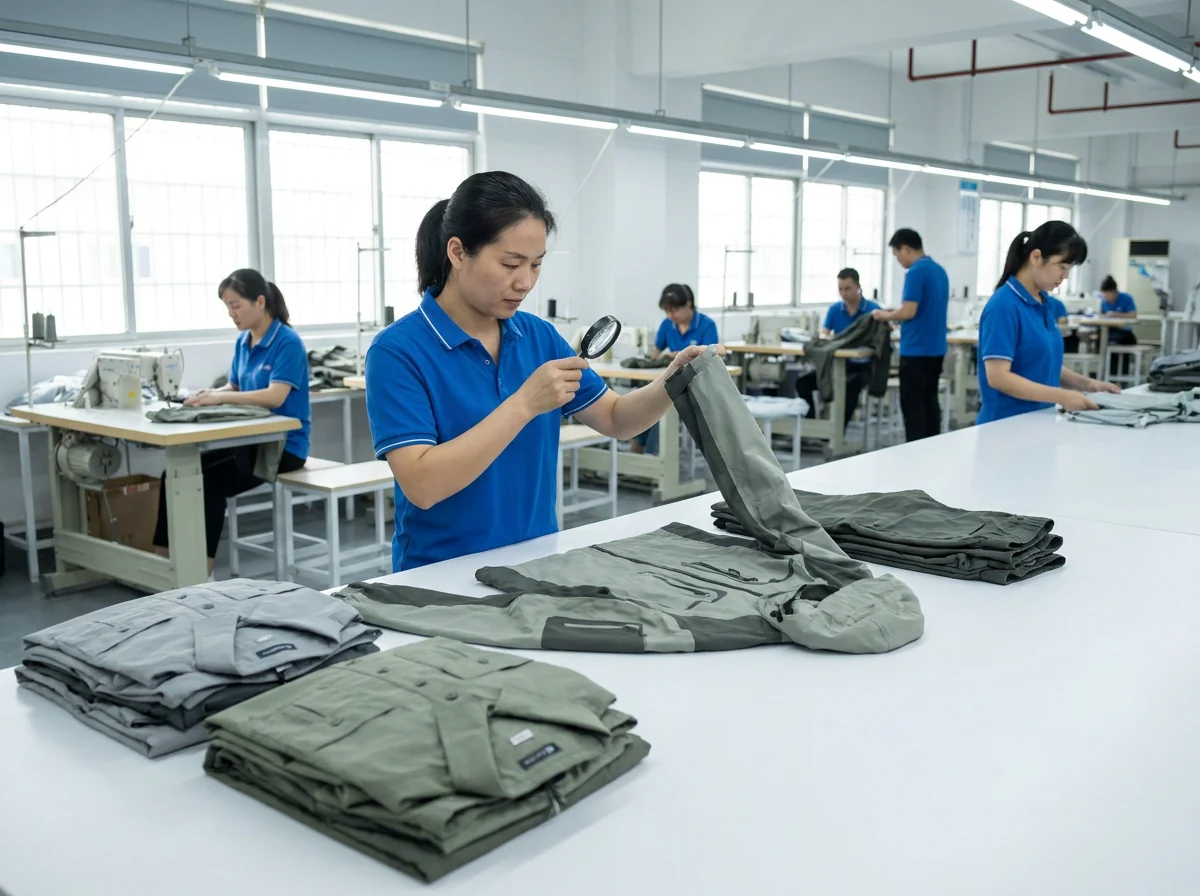
Quality & Workmanship — Inspected Against a Written Standard, Cleared to a Pre-Ship AQL, and Backed by a Workmanship Guarantee.
"Guaranteed" only means something if you can see how it's enforced. Every order here is built to a written workmanship standard, run through five QC checkpoints from in-line stitching to pack-and-seal, sampled to a pre-shipment AQL, and graded against a defined critical–major–minor defect standard before it earns clearance to ship. And if a piece ever slips through, there's a workmanship guarantee behind it — with set claim windows, photo review and free return shipping on defects. This page lays out the standard, the checkpoints, the accept-or-reject rule, and the guarantee, in plain terms.
The four things "workmanship" is actually held to here.
"Quality" is only meaningful when someone writes down what it means and checks against it. Before a stitch is sewn, your order gets a written workmanship standard — built from your approved pre-production sample — and every checkpoint later measures the goods against it on the same four pillars. Whatever the category, "good" is defined the same way: how it's sewn, how it measures, how it's decorated, and how the material holds. Pick the categories your line needs; the standard rides on all four so "workmanship" is a spec you can hold to, not an adjective. The checkpoints that enforce it are in the sequence below; each pillar's mechanism follows after.
 Pillar 01
Stitch & Construction Integrity
The garment holds together where it's pulled — seams, reinforced stress points and stitch density held to spec.
What "good" meansStitch & Construction Integrity
 Pillar 02
Measurement & Fit Accuracy
The size on the label is the size in the box — finished measurements inside a defined tolerance, across the whole run.
What "good" meansMeasurement & Fit Accuracy
 Pillar 03
Decoration & Print Quality
The artwork lands clean and stays — on-register, no ink drift or misprints, color matched to your approved proof.
What "good" meansDecoration & Print Quality
 Pillar 04
Material & Colorfastness
The cloth performs and keeps its color — the right fabric to spec, holding UPF and color through sun and salt.
What "good" meansMaterial & Colorfastness
The standard is the verification axis on that production route — see how the goods are built in manufacturing services.
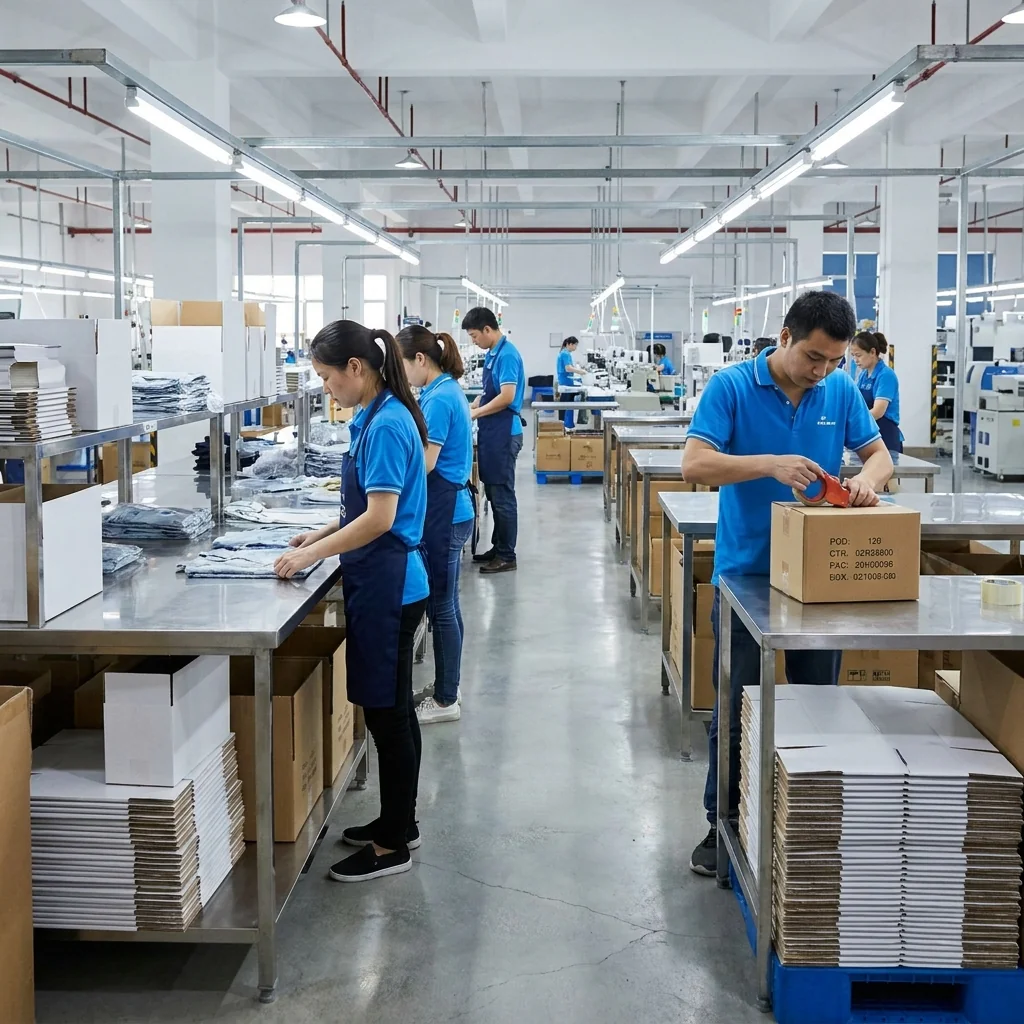
Anyone can print "guaranteed" on a hangtag. The difference is whether the goods actually had to clear something to earn it — here every batch does, checkpoint by checkpoint, against a written standard, before it's cleared to ship.
See How a Batch ClearsThe five checkpoints a batch clears before it ships.
A workmanship standard is only real if something enforces it along the way. Here's the QC sequence laid out as a track — five checkpoints from in-line stitching to pack-and-seal, each one a pass-or-hold gate. Clear the gate and the batch moves on; find a defect and it's held and routed to rework before it can advance. This is the one-glance map of what each checkpoint screens; the mechanism behind each is spelled out in the section below. (Factory-stated process; AQL levels and tolerances are representative and confirmed against your spec and pre-production sample.)
In-Line Inspection — caught while it's sewn.
Stitching, seams and construction are checked on the line as the garment is built, so a skipped stitch or a weak seam is caught and fixed at the station, not discovered in a finished box.
Measurement Pass — sized to the spec.
Finished pieces are gauged at key points of measure against your approved size set, so anything outside tolerance is pulled before it goes further, and grading doesn't drift across the run.
Decoration & Print QC — artwork against the proof.
Each decorated panel is screened for register, ink drift, smudges, press marks, heat shine and misprints, and checked against the proof you approved — the print defects a buyer sees first.
Pre-Ship AQL Audit — the accept-or-reject gate.
Before shipment, a sample is pulled and inspected to a pre-ship AQL (2.5 baseline, tightened to 1.5 on request), and graded critical / major / minor — the lot clears only under the accept number, or it's held.
Pack & Seal — counted and closed clean.
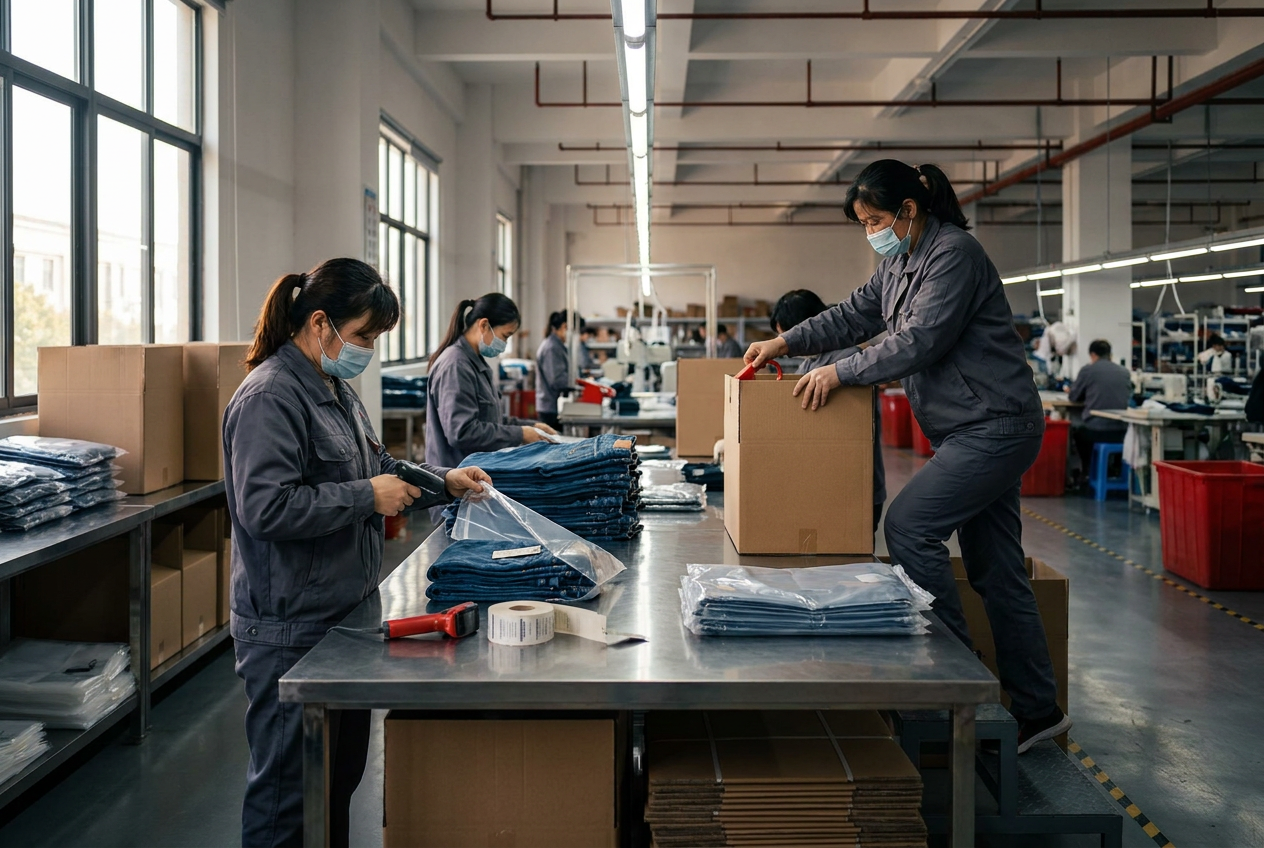
Cleared goods are counted, folded or bagged to your packing spec, cartoned and sealed, so the count, the presentation and the labeling that reach you match the order.
In-Line Inspection — pass or hold.
Stitching & seams checked on the line; a defect is held at the station, not found in a finished box.
Measurement Pass — pass or hold.
Points of measure gauged against the size set; anything out of tolerance is pulled.
Decoration & Print QC — pass or hold.
Each panel screened against the approved proof for register and print defects.
Pre-Ship AQL Audit — accept or reject.
Sample pulled and graded to AQL 2.5 (1.5 on request); clears under the accept number or is held.
Pack & Seal → CLEARED.
Counted, folded, cartoned and sealed — clearance to ship earned after every gate passes.
Five gates, one rule — a batch earns clearance to ship only after it clears every checkpoint against the written standard; anything held routes to rework and re-inspection, not the carton. How each checkpoint actually inspects, and how the AQL sampling works, is in the section below.
How each checkpoint inspects, and how the AQL sampling actually works.
The track shows where the gates are; here's how each one inspects, and what "pass" is measured against. These are the mechanics behind the sequence — in plain factory terms, tied to method and level, not adjectives. (Factory-stated; AQL levels, tolerances and targets are representative and set against your spec and sample, confirmed before bulk.)

In-line inspection catches it at the station.
Rather than inspecting only finished goods, sewing is watched on the line against the sample's seam type and stitch density (SPI) — so a skipped stitch, a puckered seam or a weak bar-tack is fixed by the operator at the station, before it's buried in a finished, packed garment that's expensive to rework.
The measurement pass gauges points of measure to a tolerance.
Finished pieces are measured at defined points of measure (chest, length, sleeve and the key ones for the category) against your approved size set, and anything outside the agreed tolerance is pulled. Because it's gauged across the run, grading holds from the first piece to the last instead of drifting larger or smaller as the line speeds up.
Decoration QC screens against the proof you signed.
Each decorated panel is checked for register, ink drift, blowouts, smudges, press marks, heat shine and misprints, and its color is compared to the proof you approved — color holding within tolerance on white and light grounds, with the natural shift on mid and dark shades already accounted for on that proof (the mechanism of that shift is covered in the guarantee section, so it's never a surprise).
The pre-ship AQL audit is the accept-or-reject rule.
A representative sample is pulled from the finished lot and inspected to a pre-shipment AQL — 2.5 as the baseline, tightened to 1.5 on request — with each finding graded critical / major / minor. The lot clears only if findings fall under the accept number for that level; over it, the lot is held for sort or rework and re-inspected. This is the single gate that turns "we checked it" into a defined pass-or-fail rule, and it's tightened further on the pro series tier.
Material and performance are checked by method, not claim.
Incoming fabric is inspected for flaws before cutting, and performance is verified by test method — colorfastness rated on the grey scale (we target 4+), UPF 50+ tested to AATCC 183 — so the material claims on the tag are ones the cloth was actually checked against. The fabric science itself is in fabric technology.
Inspection handled — the next thing to define is what actually counts as a defect, and the rule that ships or rejects a lot, mapped out in the grading table below.
What counts as a defect, and the rule a lot ships or rejects by.
The most common quality argument is never "is there a defect" — it's "does that count as one." So it's defined up front. Every finding at the AQL audit is graded on the same three-tier standard, and the lot ships or is held by the accept number for its grade. Here's the grading and the rule, side by side, so buyer and factory judge by the same standard instead of arguing case by case. (Factory-stated grading to a representative AQL; final levels and accept numbers are set in your contract and confirmed on the sample.)
| Defect grade | What it means | Typical examples (this build) | Accept-or-reject rule |
|---|---|---|---|
| CriticalNever ships | A safety or function failure — the piece is unusable or unsafe as delivered. | Seam that opens under normal wear, broken/failed zipper, sharp point, wrong product shipped. | Zero accepted — any critical finding holds the lot for 100% sort, regardless of AQL. |
| MajorTo the accept number | A defect a buyer would reasonably reject — affects appearance, fit or wear. | Visible ink drift / smudge / misprint, off-shade beyond tolerance, measurement outside tolerance, notable fabric flaw, skipped or broken stitching. | Sampled to AQL 2.5 (tightened 1.5 on request) — lot clears only under the accept number for its size; over it, held for sort/rework. |
| MinorCleaned up in finishing | A slight deviation within workmanship norms — doesn't affect use. | Small loose thread, faint press mark within tolerance, negligible shade variance on darks per the approved proof. | Higher accept allowance — noted and trimmed/corrected in finishing; doesn't hold the lot on its own. |
Same three grades, one rule — critical never ships, major is held to the accept number, minor is cleaned up in finishing. The AQL level (2.5 baseline, 1.5 tightened) and the accept numbers are set with you before bulk, so "acceptable quality" is a number on your PO, not an opinion at the dock.
What the guarantee covers, when to claim, and how it's resolved.
Even with five checkpoints and an AQL audit, a guarantee is what stands behind the one piece that could ever slip through. So it's written down, not improvised — what's covered, the window to report it, and exactly how it's resolved. These are our standard workmanship practices; the final terms and windows are set in your contract or PO. (Factory-stated / representative — confirmed in writing on your order.)
Workmanship, print & sewing defects
Genuine defects in stitching, decoration or fabric are covered. Send photos; we review, cover free return shipping on the defective pieces, and issue a priority replacement or rework as fast as production allows — so a defect is fixed, not argued.
Short shipment or missing items
If the count is short against your PO, flag it inside the window and the shortfall is made up.
Transit damage
For pieces damaged in transit, send photos within the window and damaged units are replaced.
A shipment that never arrives
If a shipment is marked delivered but isn't there, tell us the same day so it can be traced and reshipped.
What the guarantee does not cover
There are no returns for sizing on custom orders — sizes are made to your approved size set, which is exactly why we run a measurement checkpoint and confirm fit on the pre-production sample first. And the natural color shift on mid and dark shades is not a defect when it matches the proof you approved — color holds closely on white and light grounds, while darker shades shift by the nature of decoration, which is why color is signed off on a proof first. Anything genuinely defective is covered; these two are set expectations, not defects.

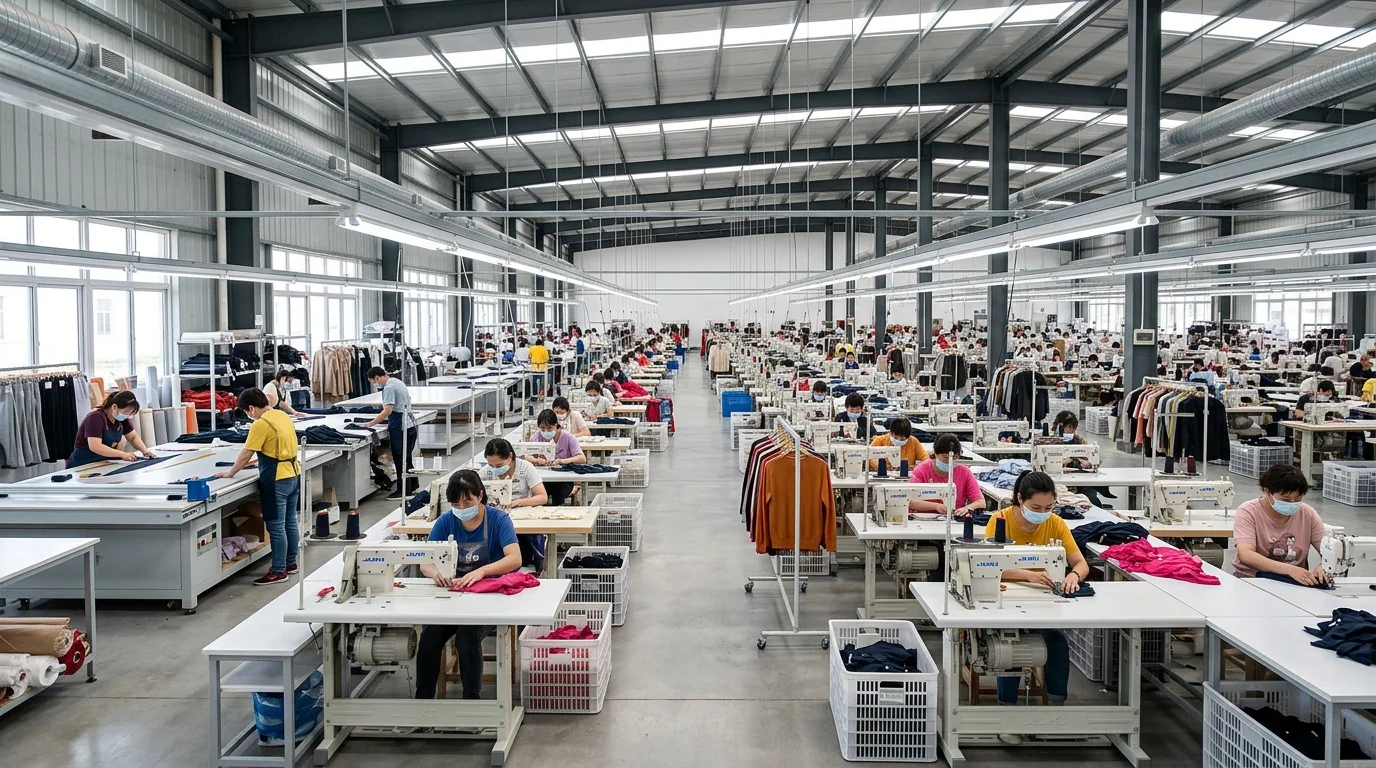
Six reasons buyers choose a factory that inspects.
Six reasons, and not one of them is a slogan — each is backed by something you've already seen on this page: a checkpoint, a standard, a rule or a written term. Same standard behind all six; what changes per account is only which categories and which tier we hold it on.
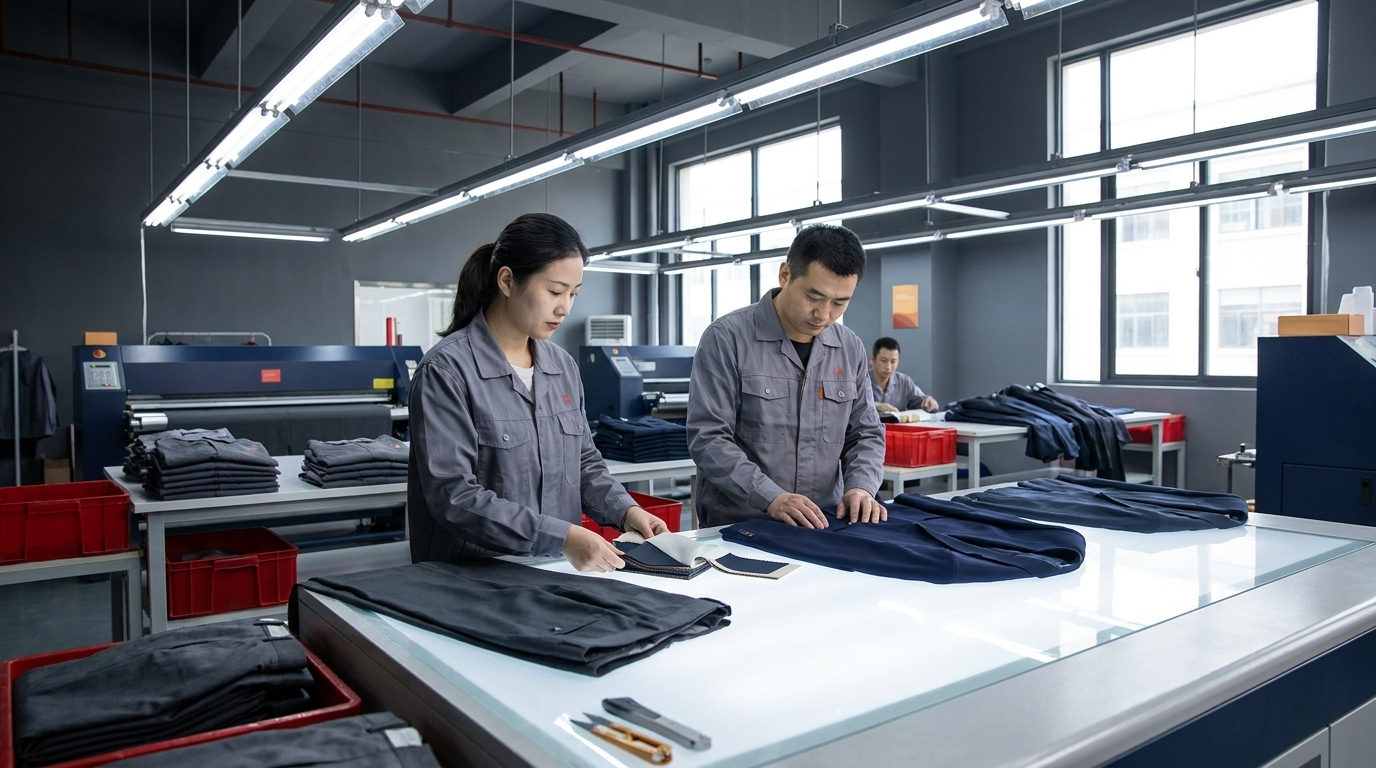
Quality you can verify, not just claims.
Five QC checkpoints from in-line to pack, plus a pre-ship AQL audit — the standard is enforced along the way and sampled before shipment, so "quality" is a process you can point to, not a word on a hangtag.
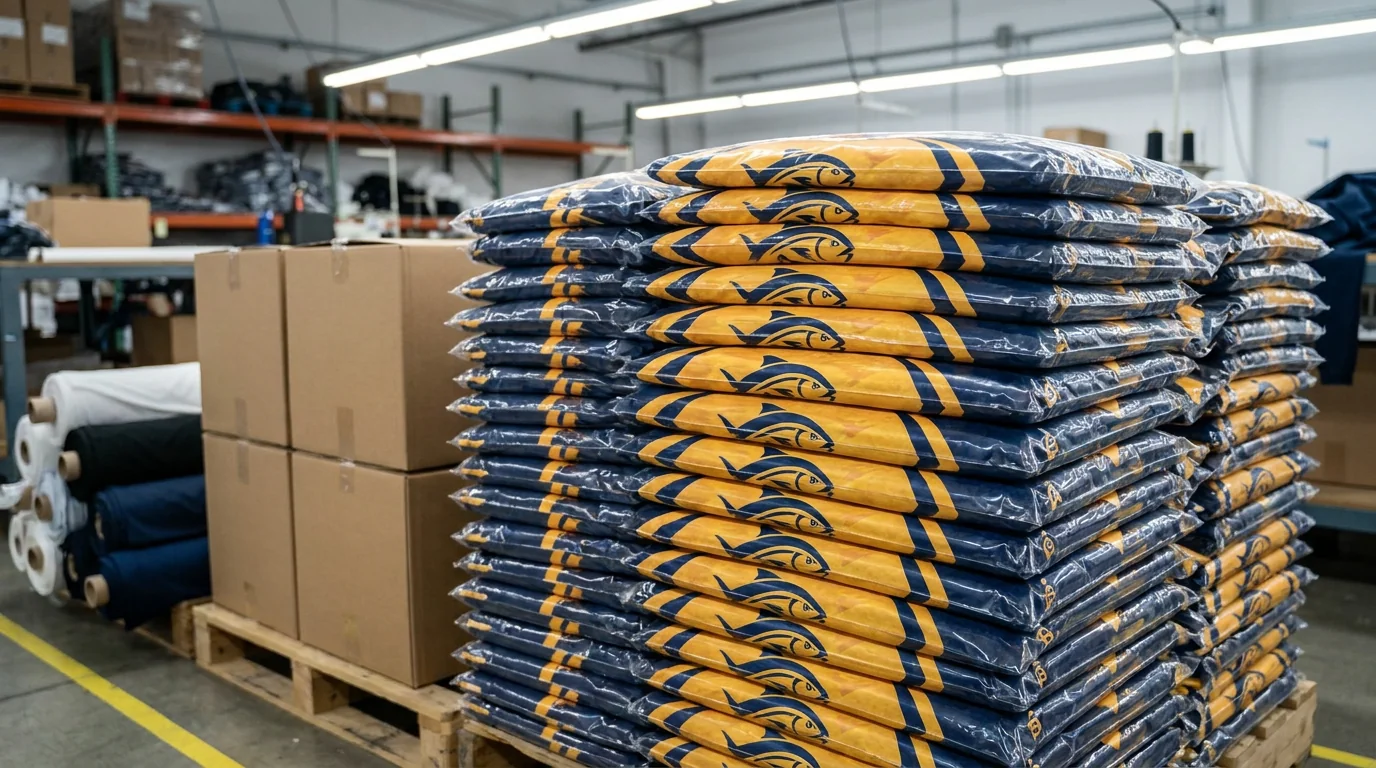
A written workmanship standard on file.
Stitching, measurement, decoration and colorfastness are held to your approved sample, documented — so every reorder is judged against the same written standard, not whatever the line felt like that day.
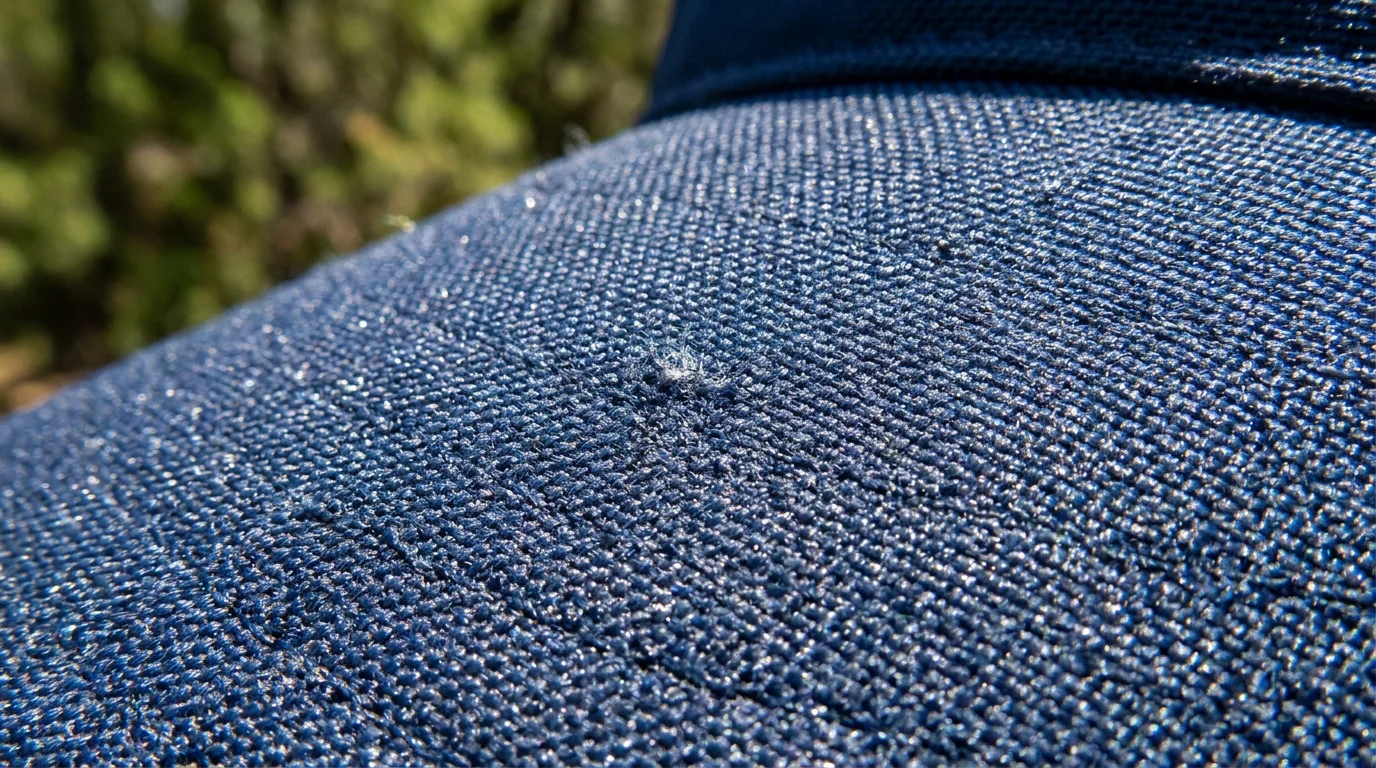
Everything under one roof.
Fabric, cut, sew, decorate and QC run on our own floor, which is what makes the standard actually hold — and lets you start small: mix-and-match into one low first-order minimum from 100 pcs per style, so you can test the quality on a real order before a big run, with a turnkey private label route if it's a new brand.
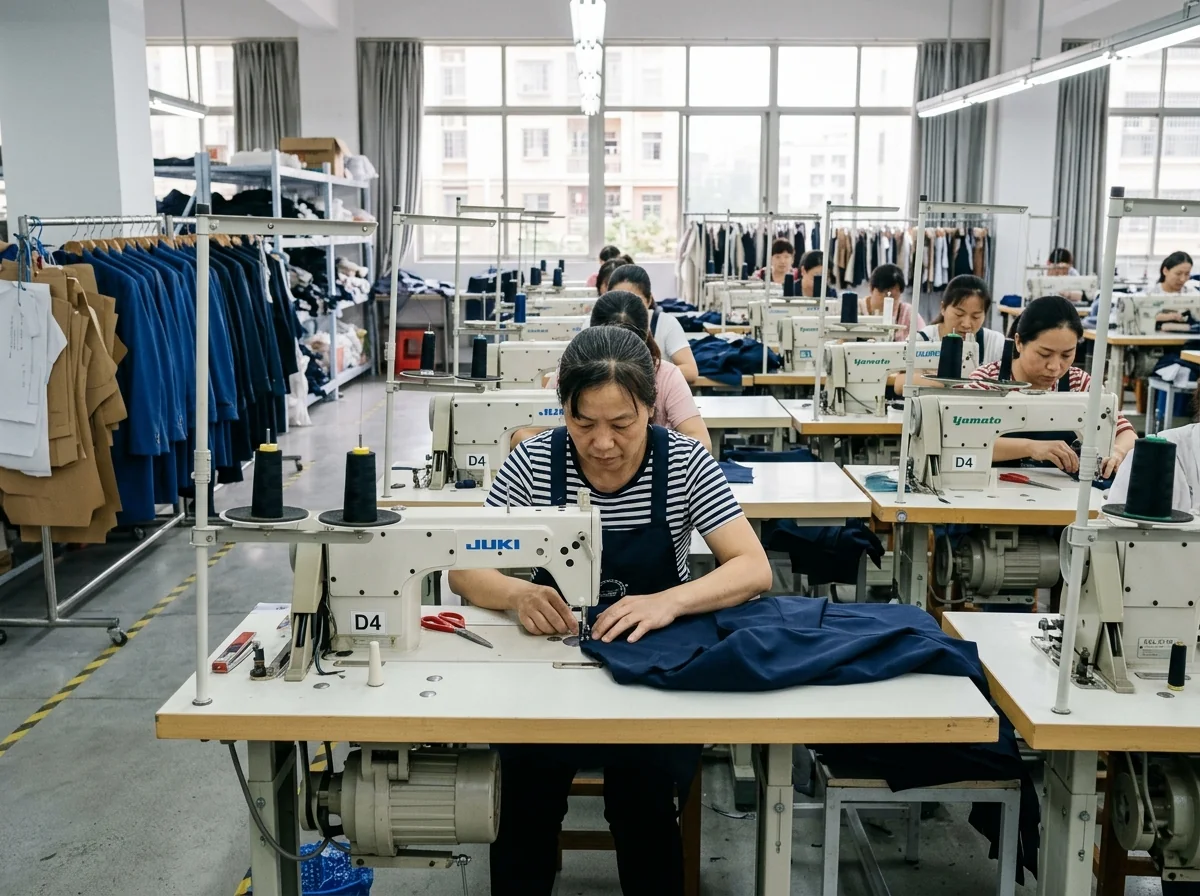
A real workmanship guarantee with defined windows.
A 30-day workmanship-defect window, photo review, free return shipping on defects and priority replacement — the terms are written down and windowed, not improvised after something goes wrong.
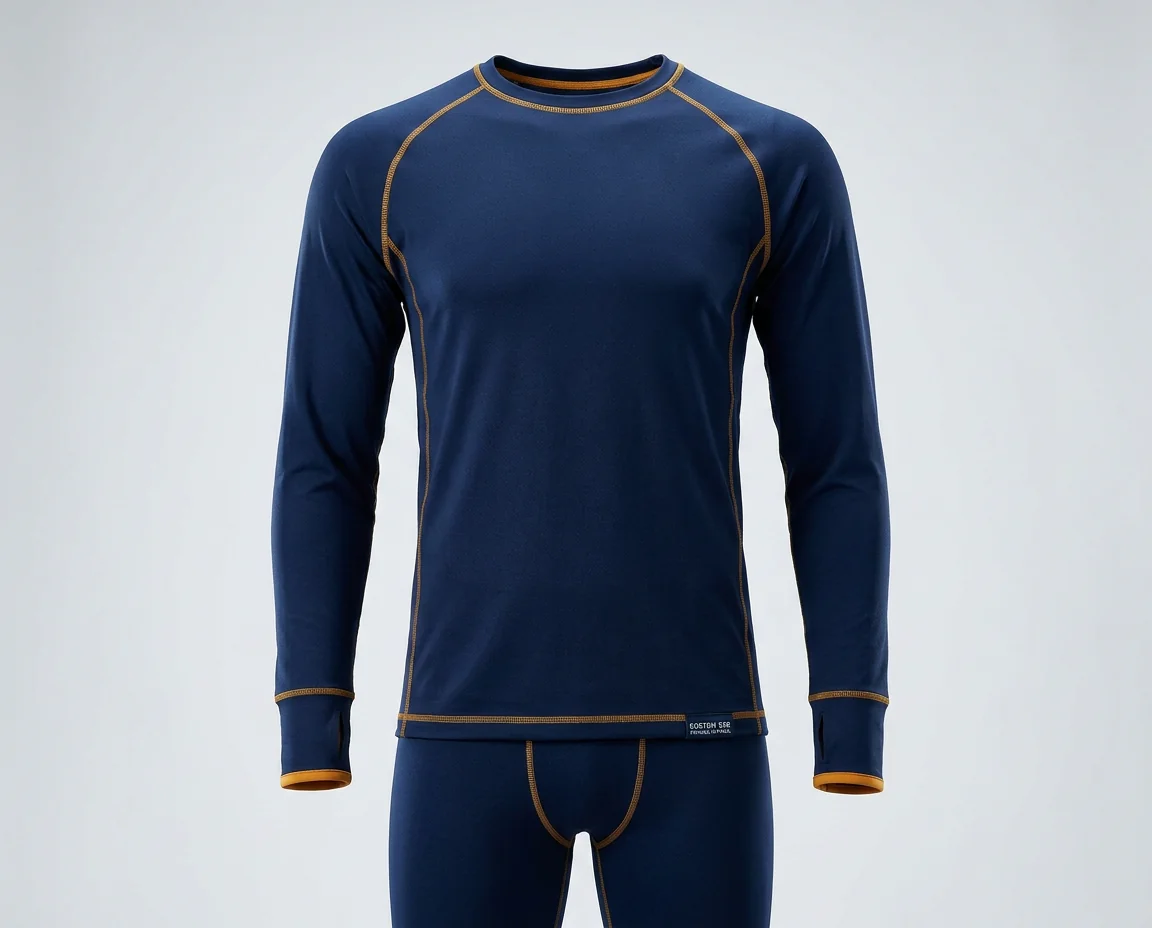
A defect standard you agree on before bulk.
Critical / major / minor grading and the AQL accept numbers are set with you up front — so "is that a defect" is answered by a shared standard on your PO, not an argument at the dock.

Consistency logged to your spec.
Your approved fabric, measurements, decoration and colorway are logged, so the fifth reorder inspects to the same standard as the first — the drift that burns buyers on repeat orders is designed out. See verified programs for how a standard holds across a run.
A quality fishing apparel manufacturer that controls every checkpoint under one roof.
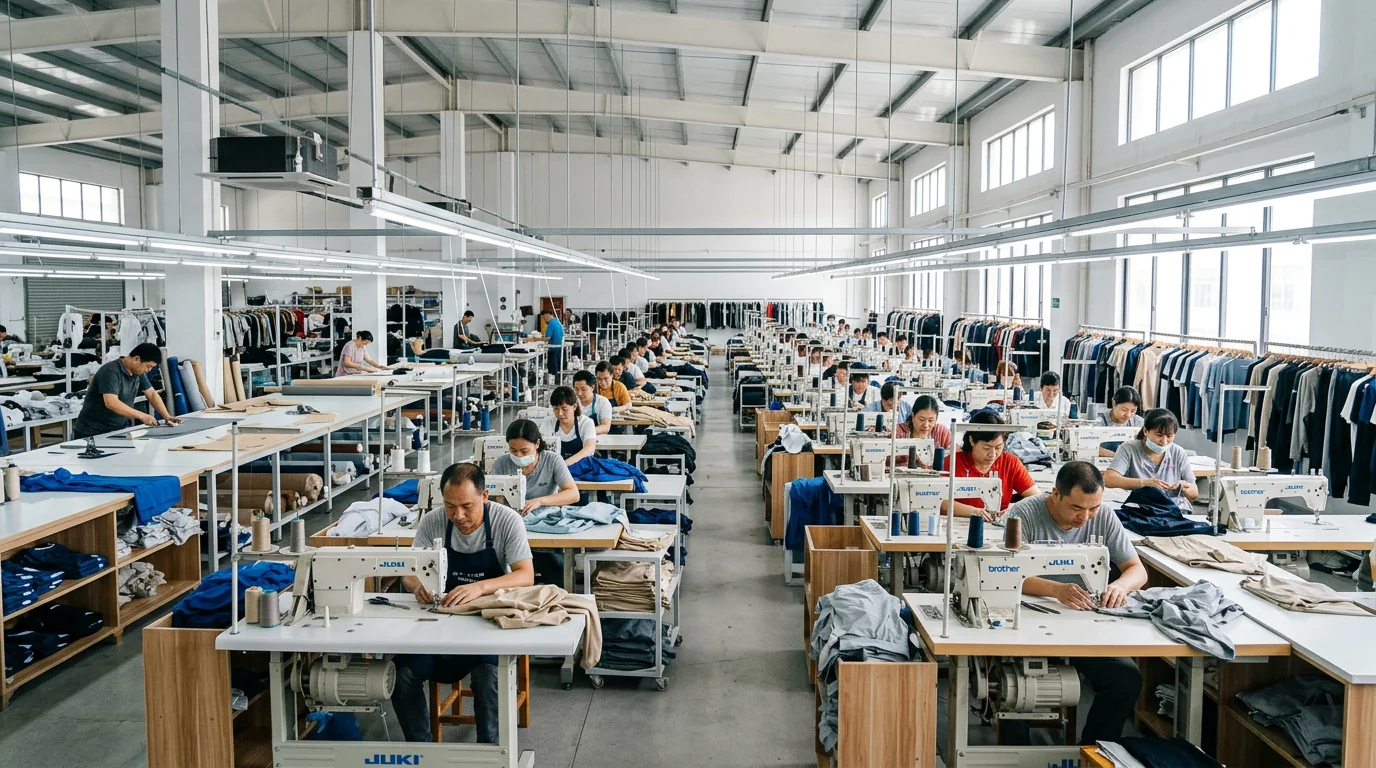
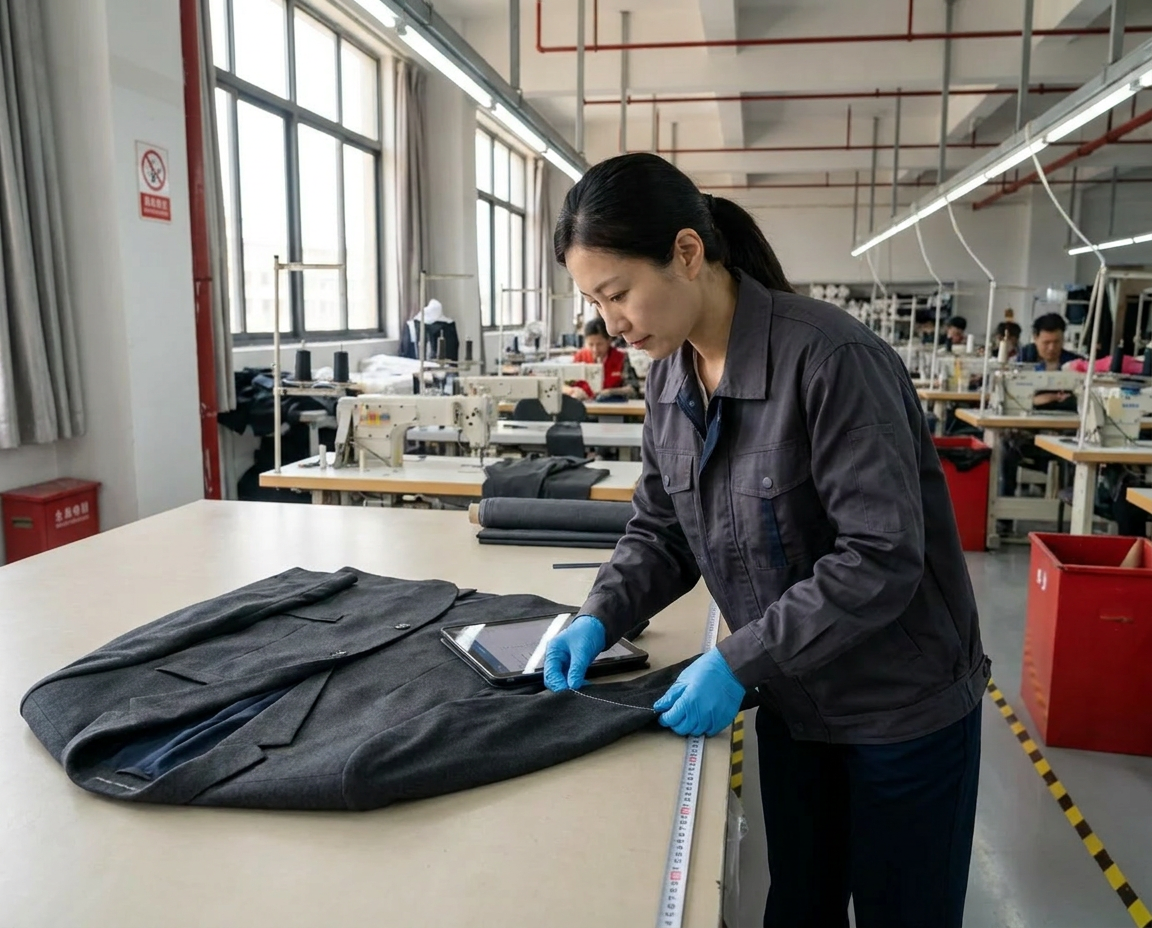
A guarantee is only as strong as the factory's control over what it's guaranteeing — the moment fabric, sewing or QC is farmed out, the standard slips and the promise gets thin. Cutting, sewing, decoration and inspection all run on our own floor, which is why the checkpoints, the AQL and the written terms above are ones we can actually hold — from the sample to the five-hundredth piece. Here's the control behind the guarantee (factory-stated).
Inspected in, not assumed.
Because inspection runs in-line and pre-ship, defects are caught while they're cheap to fix and sampled before the lot leaves — the reason the guarantee is a backstop for the rare miss, not the main line of defense.
One floor controls the whole standard.
Fabric, cut, reinforced sewing, decoration and QC run on the same manufacturing services floor, so no checkpoint depends on a subcontractor holding a standard they never agreed to.
Tightened on request.
A program that needs it can be inspected to a tightened AQL 1.5 with the same three-tier grading — the standard scales up without changing how it's judged.
Your spec, reserved and logged.
The approved fabric, measurements, decoration and colorway are logged to your style, so a reorder inspects to the exact standard already selling, and consistency doesn't drift across runs.
Tell us what you're ordering and we'll send the QC and guarantee terms.
Send the categories, rough quantities and whether you want the baseline AQL 2.5 or a tightened 1.5 program — and you'll hear back within 24 hours in plain English, with the QC checkpoint plan, the defect standard and the workmanship guarantee terms for your order in writing.
- First response within 24 hours (GMT+8)
- Low first-order minimums — from 100 pcs per style, mix-and-match
- Written QC plan, defect standard & guarantee terms
- Worldwide shipping — DDP / DDU
- Chat on WhatsApp
Prefer email? [email protected]
Get the QC & Guarantee Terms in Writing
Four fields. A project manager replies within 24 hours.